7 Steps to be productive working form home?
Introduction
Working from home sounds like a dream — no commute, comfy clothes, more control over your time, and perhaps better work life balance. There are more and more job opportunities where companies offer employees to work from home several days in a week. The labor statistics show that 23% of the employees are working from home all or most of the time worldwide, with 67% of the employees were in the technology industry according to Statista. But let’s be honest: staying productive and be successful working from home in your own space can be tough. Between distractions, blurred boundaries, and lack of structure, it’s easy to feel like your to-do list is never-ending. The good news? With a few smart habits, the right tools, and a solid routine, you can stay focused and actually get more done — without burning out. Let’s dive into how to make remote work actually work for you.

1. Set Up a Distraction-Free Workspace
One of the biggest challenges of working from home compared to working from a traditional office is separating your “work” brain from your “home” brain. When you’re answering emails from the couch or taking Zoom calls at the kitchen table, distractions are everywhere — and your productivity takes a hit. That’s why creating a dedicated, distraction-free workspace is one of the best things you can do for your focus.
You don’t need a full office or an expensive setup to make it work. Even a small corner of your living room or bedroom can become your productivity zone if you treat it with intention. There are two things to watch out for when setting up your home office.
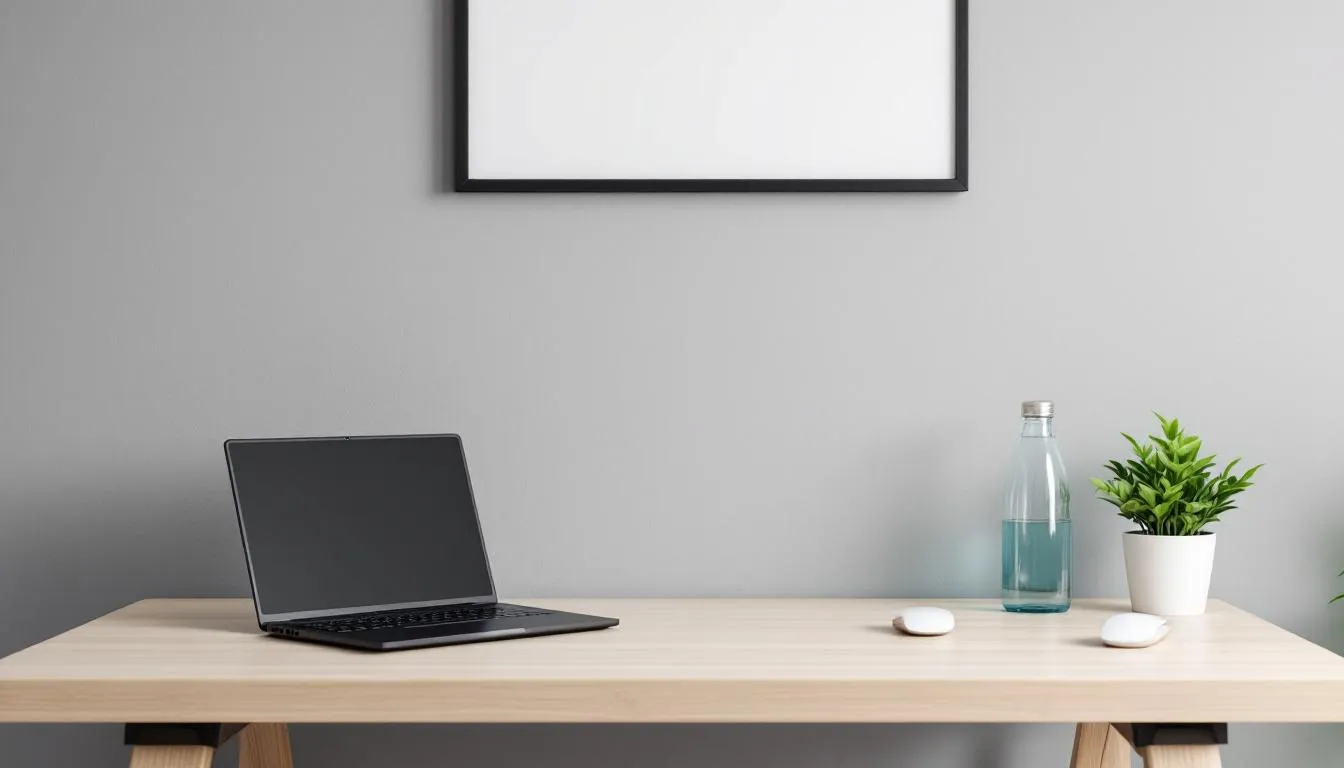
The first step to staying productive at home is creating a workspace that’s free of distractions. For me, that starts with a clutter-free desk. I’ve noticed that when my desk gets messy, my focus disappears. And it’s not just a personal quirk — studies show that too much visual stimulation can reduce our brain’s ability to process information. A tidy space really can help you think more clearly and get more done!
This idea also applies to your digital space. When I have too many tabs open in my browser or a bunch of apps running on my laptop, I find myself losing track of what I’m doing. Jumping between windows just makes it harder to concentrate. That’s why I recommend keeping both your physical desk and your digital workspace clean and organized — it makes a huge difference in staying focused.
Equally important is making sure you’re physically comfortable in your space. I invested in a chair with proper back support and made sure my desk has good lighting. These may seem like small things, but they really matter! In fact, a research shows that even things like temperature and humidity can impact productivity. When your body feels good, your brain works better. So take the time to set up a space that feels good to be in — your focus will thank you for it!

2. Establish a Daily Routine That Works
One of the biggest productivity pitfalls when working from home is the lack of structure. Without a commute or a traditional workplace schedule to guide your day, it’s easy to drift and lose track— and before you know it, hours disappear and nothing gets done. That’s where a daily routine comes in with huge benefits of improving productivity.
You don’t need a packed, minute-by-minute schedule. Just having a few anchor points in your day. For example, set a start time, dedicated work blocks, scheduled breaks, and a consistent end-of-day ritual. A dedicated routine can make a huge difference to increase productivity.
Personally, I’ve found that starting my day with a short morning routine, such as stretching after waking up and writing down my top 3 tasks, or even just taking a look at my calendar today to see if there are any online meetings or video calls to prepare, really help me ease into work mode with intention. I also schedule breaks like I would meetings — this keeps me from burning out by mid-afternoon. According to a recent survey from Aflac, more than half of the employees (59%) report feeling burnout. Therefore, it is also important to switch off your work mode during your day to prevent mental fatigue and maintain your energy.
Most importantly, have a clear “shut down” routine to signal the end of the workday. Close your laptop, tidy your desk, and mentally clock out. It helps you protect your evenings and keep a healthy work-life balance.
The key isn’t being perfect — it’s finding a routine that works for you and sticking with it consistently. A good routine brings structure to your remote workday and lays the foundation for you to stay on track towards your career goals.
3. Use Productivity Techniques That Fit You
There’s no one-size-fits-all when it comes to productivity. What works for someone else might not work for you — and that’s totally okay. The key is to experiment with different techniques until you find a rhythm that matches your personality, energy levels, and work style while working from home.
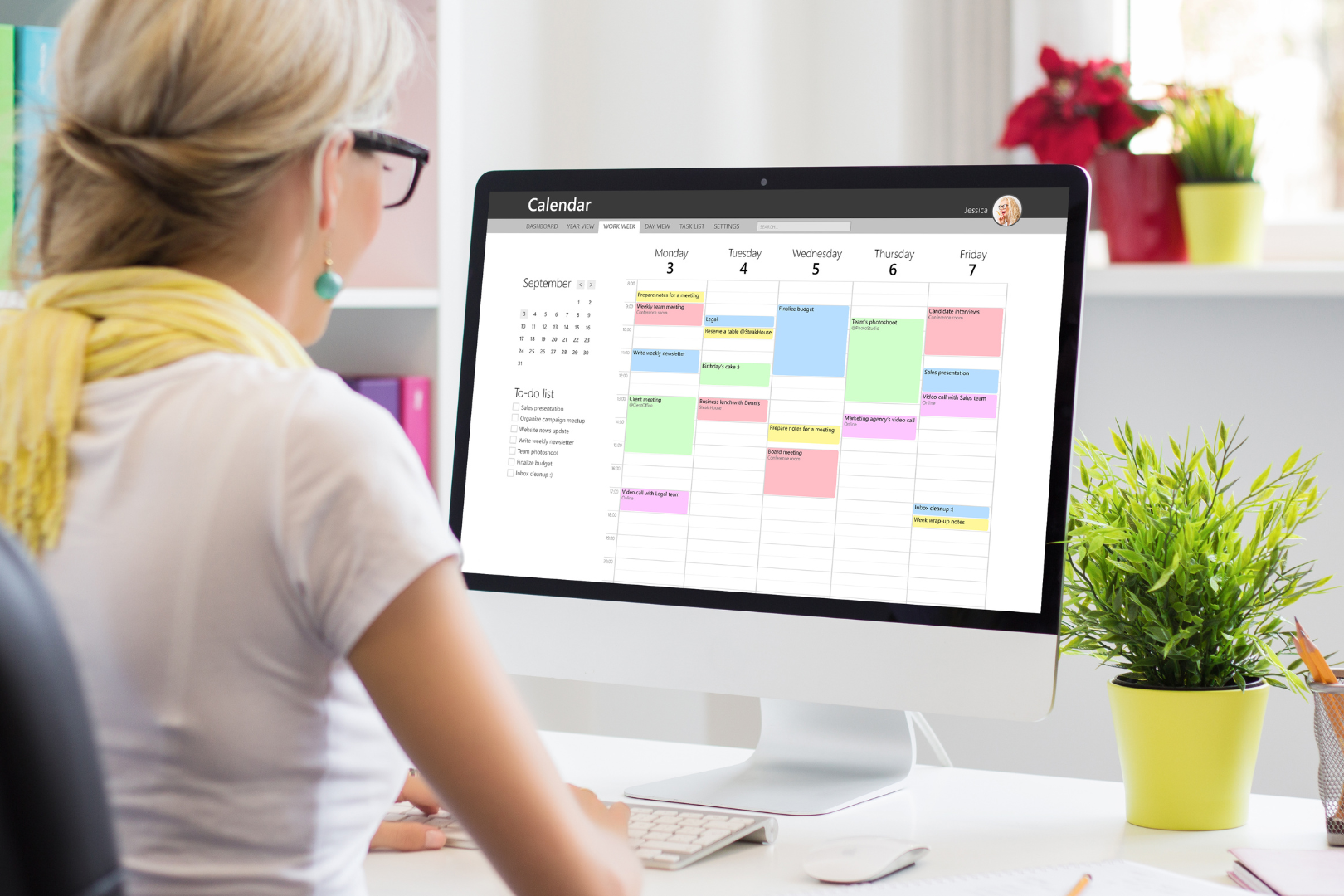
One popular method is time blocking, where you schedule specific chunks of time for focused work, meetings, breaks, and admin tasks. I personally use this when I have a busy day ahead and need to stay on track without multitasking. This technique allows me to have structures when I’m working from home and helps me manage priorities. However, it can feel rigid when unexpected tasks coming out and you are might cause stress of falling behind when you switch priorities from your plan.
Another favorite is the Pomodoro Technique, where you work in short, focused sprints (usually 25 minutes), followed by a 5-minute break. It’s great if you tend to procrastinate or get distracted easily — and it helps prevent burnout by building in regular pauses. Even though it helps boosting focus with short bursts and can prevent burnout, it can easily interrupt your work flow, especially when you are working a longer task. This might not be suitable for people who takes some time to enter their work mode.
You could also try prioritization tools like the Eisenhower Matrix or the 2-Minute Rule, especially if your to-do list feels overwhelming. These techniques help you identify what really needs your attention right now versus what can wait (or be dropped altogether).
The most important thing? Don’t just adopt a method because it’s trending. Choose techniques that actually help you focus, manage your energy, and actually get things done. Again, consistency is the key here. After experimenting with different techniques, stick with what works for you and establish a routine to help you stay productive while working form home.
4. Leverage the Right Tools & Apps
Working from home means relying on technology more than ever — but more tools don’t always mean more productivity. In fact, having too many apps can slow you down, create confusion, and drain your mental energy. The key is to choose tools that fit your workflow, and genuinely help you stay organized and focused. When used intentionally, the right apps can make remote work smoother, higher efficiency, and increase productivity while working remotely.
Start with a solid task manager or to-do list app. Whether you prefer a basic checklist like Google Tasks or a robust platform like Todoist, Notion, or Trello, the important thing is to keep all your tasks in one place. This helps you prioritize effectively, avoid forgotten to-dos, and stay mentally clear about what needs to get done — especially when your work life and personal life are happening under the same roof.
Next, make sure you’re using a calendar app that works across all your devices. A well-maintained calendar helps you block out focused work sessions, schedule breaks, and set reminders for important meetings or deadlines. Tools like Google Calendar, Outlook, or Apple Calendar are easy to use and integrate well with other platforms. Even simple time-blocking in your calendar can drastically benefit how you manage your day.
If you’re collaborating with others, communication tools are essential. Apps like Slack, Microsoft Teams, and Zoom allow you to stay in touch, share updates quickly, and reduce the endless back-and-forth of email. Just be mindful of how often you’re checking them — it’s easy to let chat notifications become a productivity drain.
That said, while it’s good to experiment and see what works for you, beware of app overload. It’s tempting to download every “top 10 productivity tool” out there, but too many overlapping apps can clutter your workflow and create more stress than focus. Stick to a handful of tools that you actually use daily and that clearly support your goals — quality over quantity.
Lastly, take time to learn your tools properly. You don’t need to master every advanced feature, but even understanding the basics — like keyboard shortcuts, tagging, or integrations — can save you hours in the long run. A little investment upfront in learning how to use your apps effectively can lead to big productivity wins down the line.

5. Set Boundaries to Protect Your Focus
One of the biggest challenges of working from home is that your work life and personal life are happening in the same space — sometimes at the same time. Without clear boundaries, it’s easy for your day to be filled with distractions, interruptions, and mental stress. It is a skill to know when to shut down.
Setting boundaries isn’t just about telling others not to bother you (though that helps!). It’s also about protecting your time, energy, and ability to focus. That might mean setting specific work hours and sticking to them, creating a “do not disturb” signal during deep work sessions, or even using noise-canceling headphones to block out background noise.
It also means having conversations with family or housemates so they understand when you’re working and why it’s important not to interrupt during those hours, especially when personal life and work life are blurring when you have a remote job. You’re not being rude — you’re being intentional and responsible with your time.
And boundaries apply to you, too. Avoid casually checking email late at night, or “just finishing one more thing” after dinner. When work is always within arm’s reach, it takes discipline to shut it off — but doing so is essential for both focus and long-term productivity, as well as your mental health being. Personally, I adopt a habit of simply shutting off the laptops after work hours and leave my work phone out of my sight. This helps me to rejuvenate and fully disconnect from work, so I can return the next day with more clarity, energy, and motivation, which indirectly improve productivity.
The more you respect your own boundaries, the more others will too — and the easier it becomes to stay productive and feel the right work life balance while working from home.

6. Take Care of Your Mental Wellbeing
Productivity isn’t just about how much you can get done — it’s also about how you feel while doing it. When you work from home, it’s easy to blur the lines between work and rest, and over time, that can take a real toll on your mental wellbeing.
Taking care of your mind is just as important as checking things off your to-do list. That might mean stepping outside for some fresh air between meetings, taking real lunch breaks away from your screen, or even starting the day with a few minutes of mindfulness or journaling. These small acts of care create space to reset and de-stress.
It also helps to have some social interaction during your workday. Working remotely can be difficult to build relationships with co-workers and expand your network, so make the effort to check in with your colleagues, chat with a friend, or schedule virtual coffee breaks. This can help you both stay socially connect while taking care your mental wellbeing. A little human connection can go a long way in boosting your mood and motivation, as well as increase productivity in the long run.
Back then, I used to go through an entire workday without stepping away from my desk — not even for lunch. I thought staying glued to my screen meant I was being productive, but by the end of the day, I felt drained and exhausted. Now, I make it a habit to take at least one proper break outside, even if it’s just a 10-minute walk. It clears my head, boosts my energy, and honestly makes me better at getting things done.
When your mind is clear and supported, your productivity naturally improves. So be kind to yourself — rest is not a reward, it’s part of the process.

7. Track Your Progress and Adjust
Productivity isn’t just about routines and tools — it’s also about awareness. What’s working for you? What’s not? Without checking in regularly, it’s easy to stay busy without actually moving forward. You might check off dozens of small tasks but still feel like you didn’t accomplish anything meaningful — and that’s where reflection comes in.
Tracking your progress doesn’t have to be complicated or time-consuming. At the end of each week, I like to take five minutes to jot down what I accomplished, what felt difficult, and what I want to approach differently next week. It’s a small moment of pause that brings clarity and keeps me grounded. Over time, these weekly check-ins add up. By the end of the month, I usually have a clear sense of what’s helping me grow and what’s just noise.
Sometimes that means adjusting my daily routine, cutting out distractions I didn’t even realize were draining me, or completely rethinking how I organize my task list. Other times, it’s as simple as realizing I need more breaks or fewer meetings. The biggest advantage of tracking your progress is to realize if something is working for you or not. There is no point of making a new habit or learn a new skill if you don’t know if it’s working for you or not, right?
The goal isn’t to have a perfect system — it’s to stay flexible and intentional. When you take the time to reflect and make small adjustments, you stop working on autopilot and start building real momentum and work efficiency. That’s the kind of productivity that helps you to be successful while working form home.
Staying productive while working from home isn’t about having perfect days — it’s about building habits, routines, and a setup that works for you. Whether it’s creating a focused workspace, using the right tools, or protecting your mental energy, small changes can make a big difference. Remember, productivity doesn’t mean being busy all the time — it means being intentional with your time and energy. Start simple, stay consistent, and give yourself grace along the way. You’ve got this! We are here to help you every step of the way to be successful working from home!